Website Design for Home Builders
Website Design for Home Builders That Matches Your Work
A home builder website is the place a buyer decides whether you build as carefully as you say. We hand-code sites that load fast, show your finished homes well, and give search engines and AI tools clean facts to read.
What the Site Has to Do
A Builder's Site Is a Portfolio That Also Has to Sell
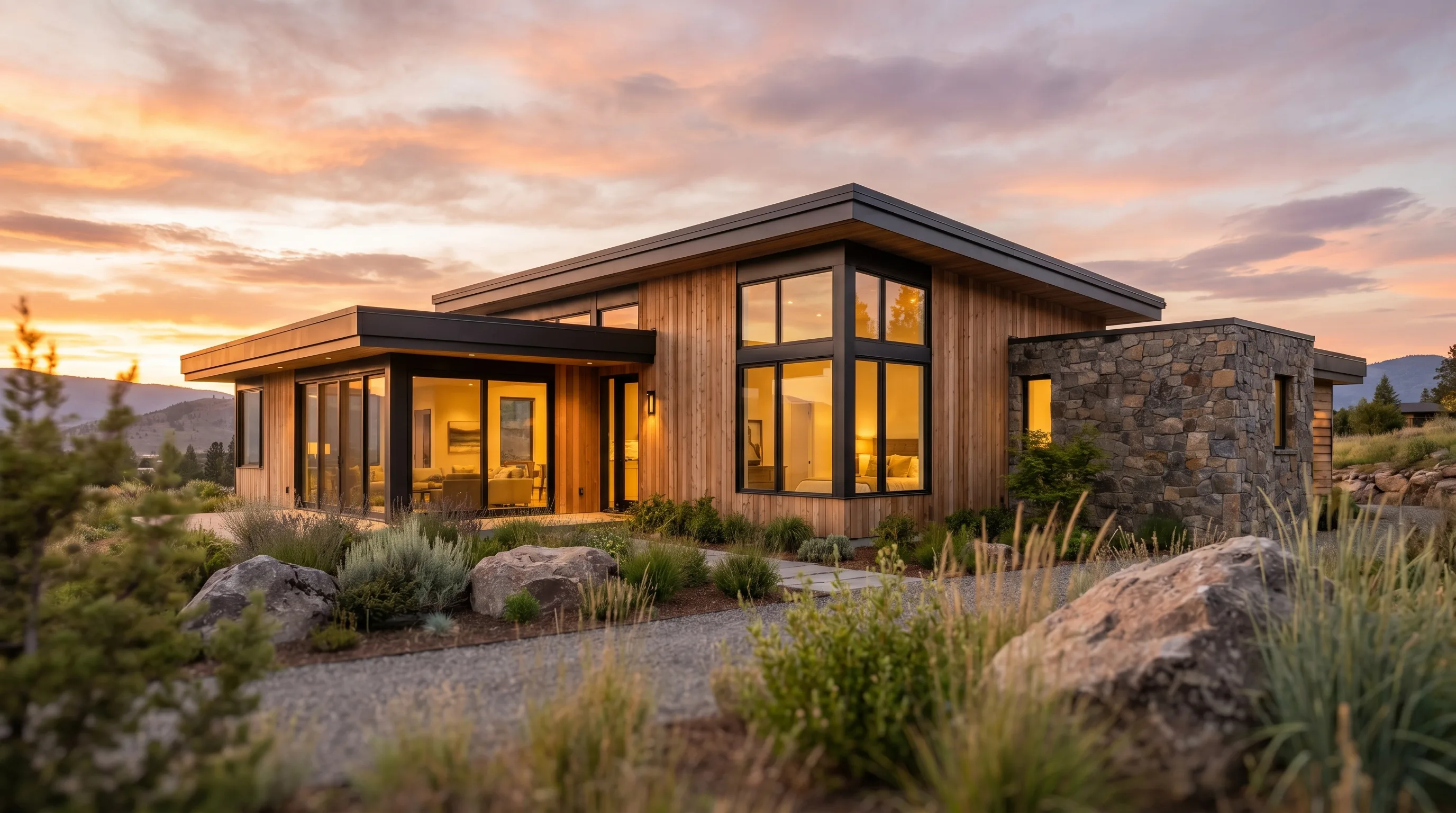
A buyer about to spend hundreds of thousands of dollars checks your site before they call. If it looks dated, loads slowly, or hides your finished work, they assume the building might be the same.
So the site has two jobs. It has to look like the homes you build, and it has to rank and convert. Both depend on the same things: speed on a phone, real photography, and pages organized around how buyers search.
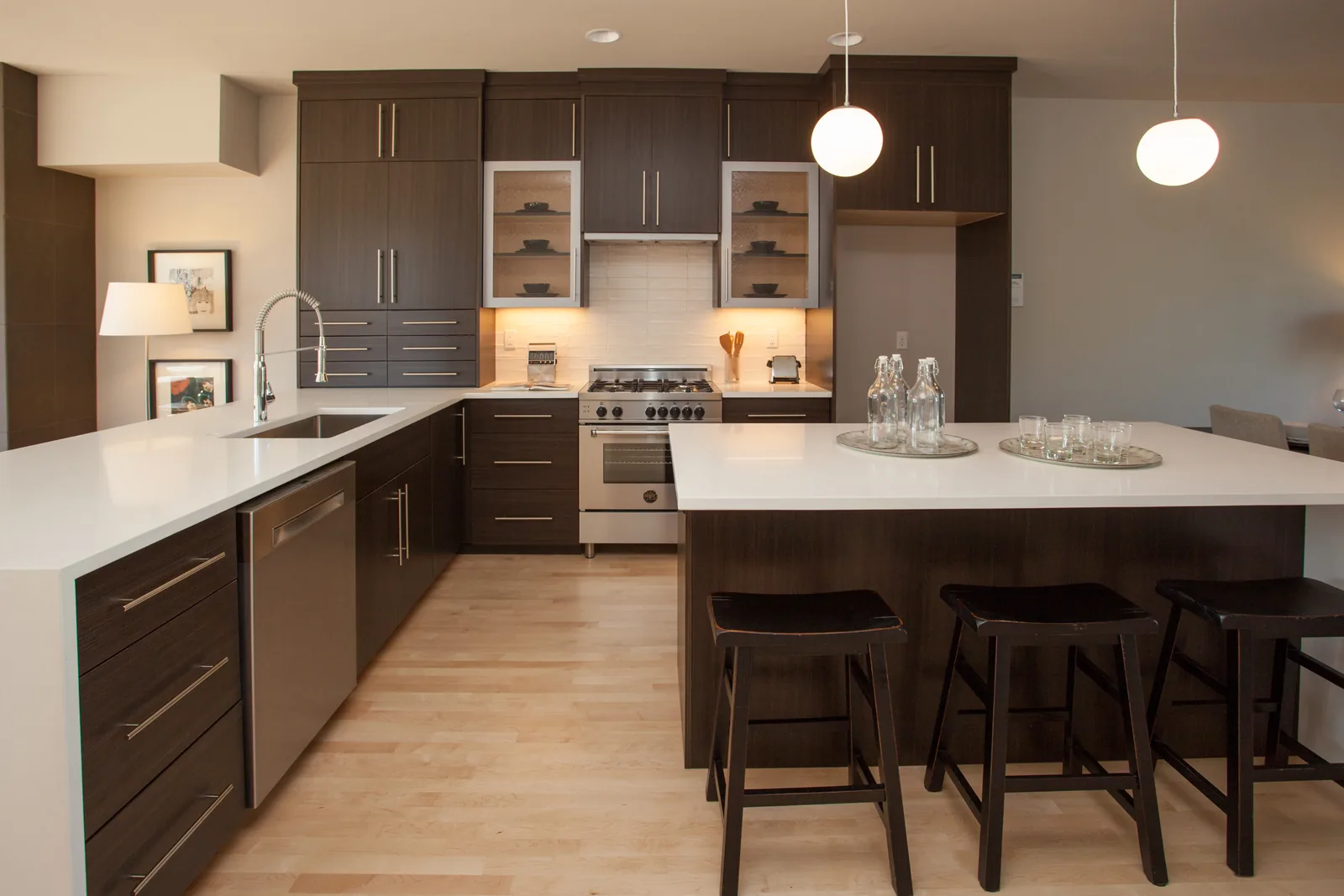
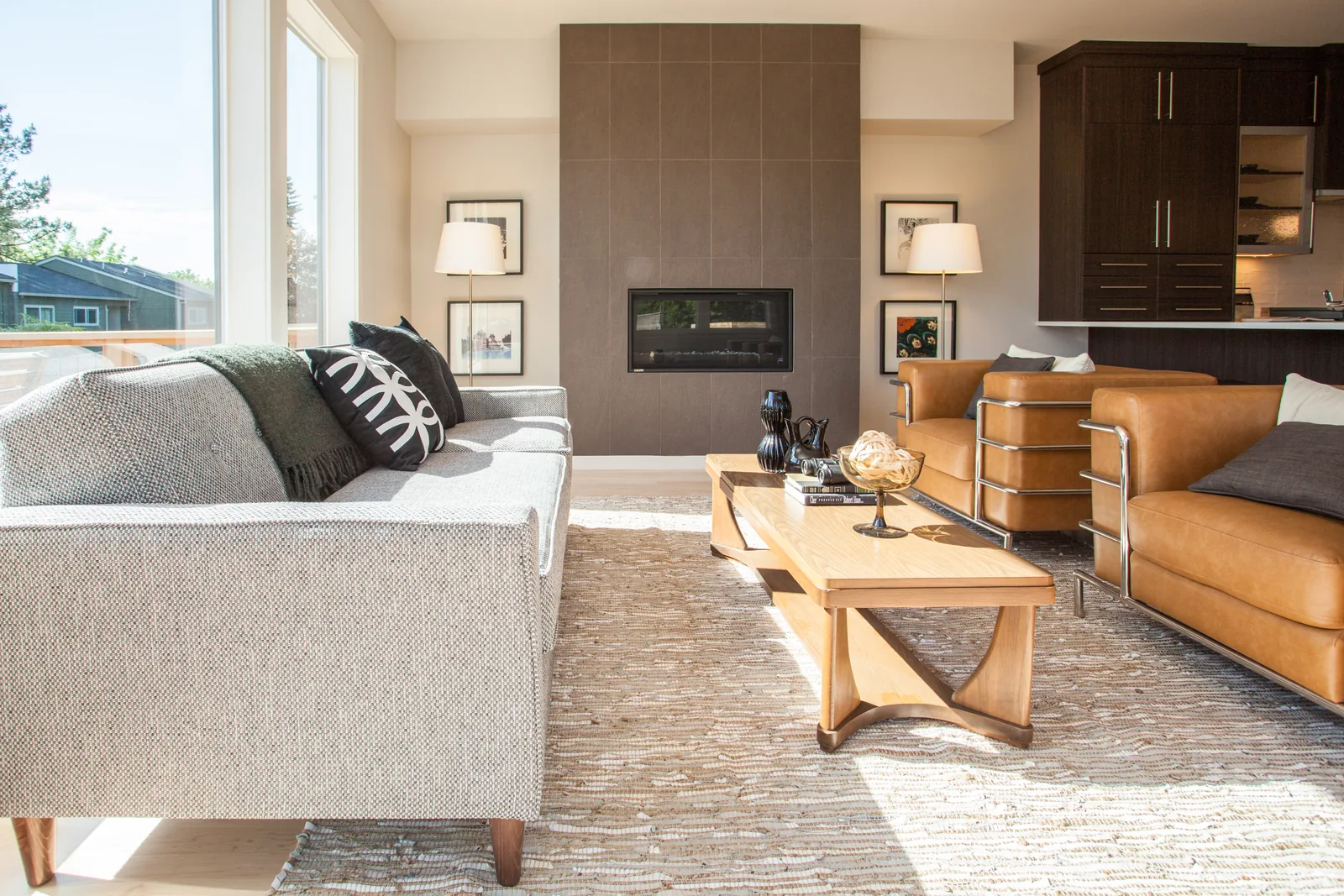
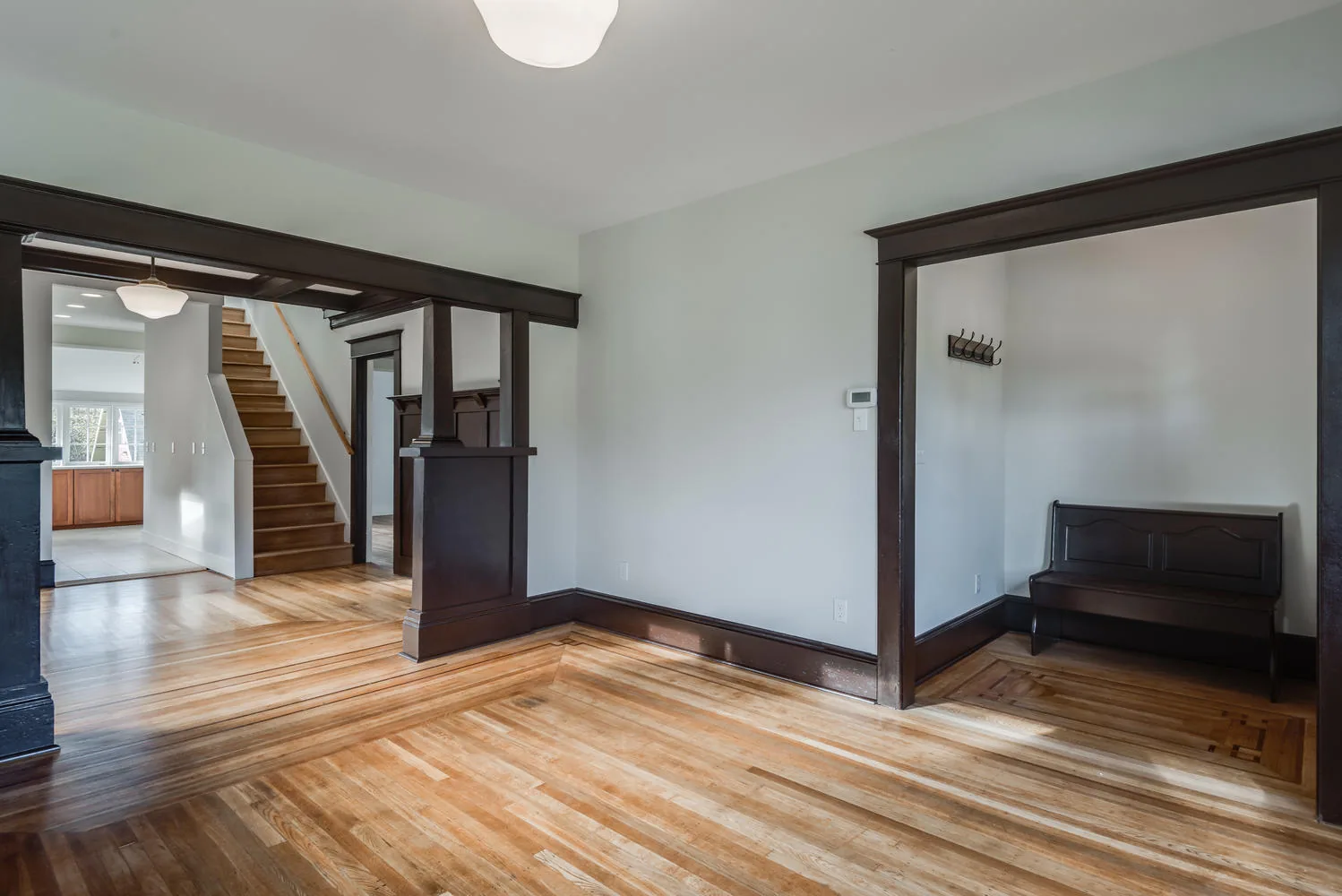
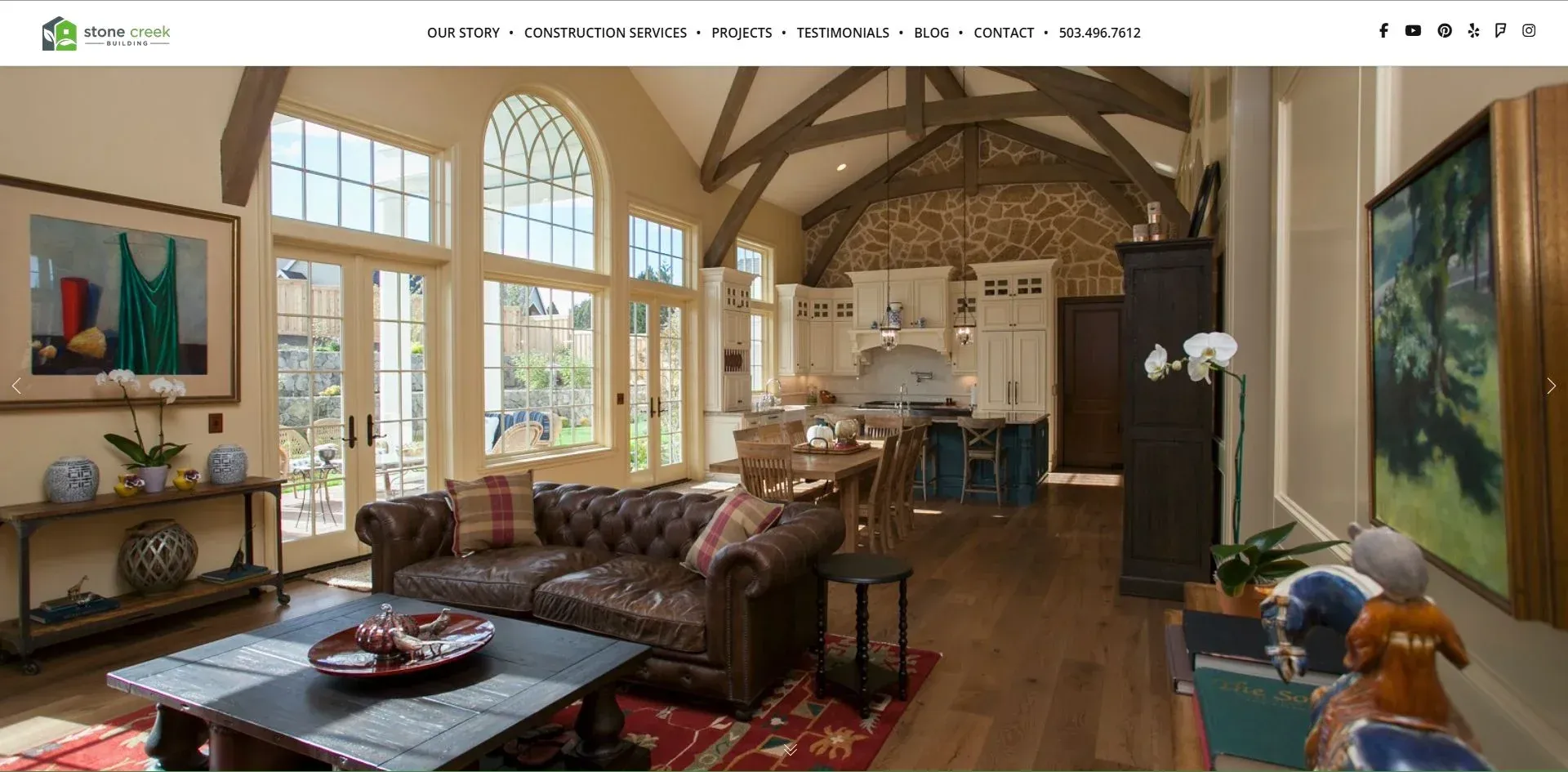
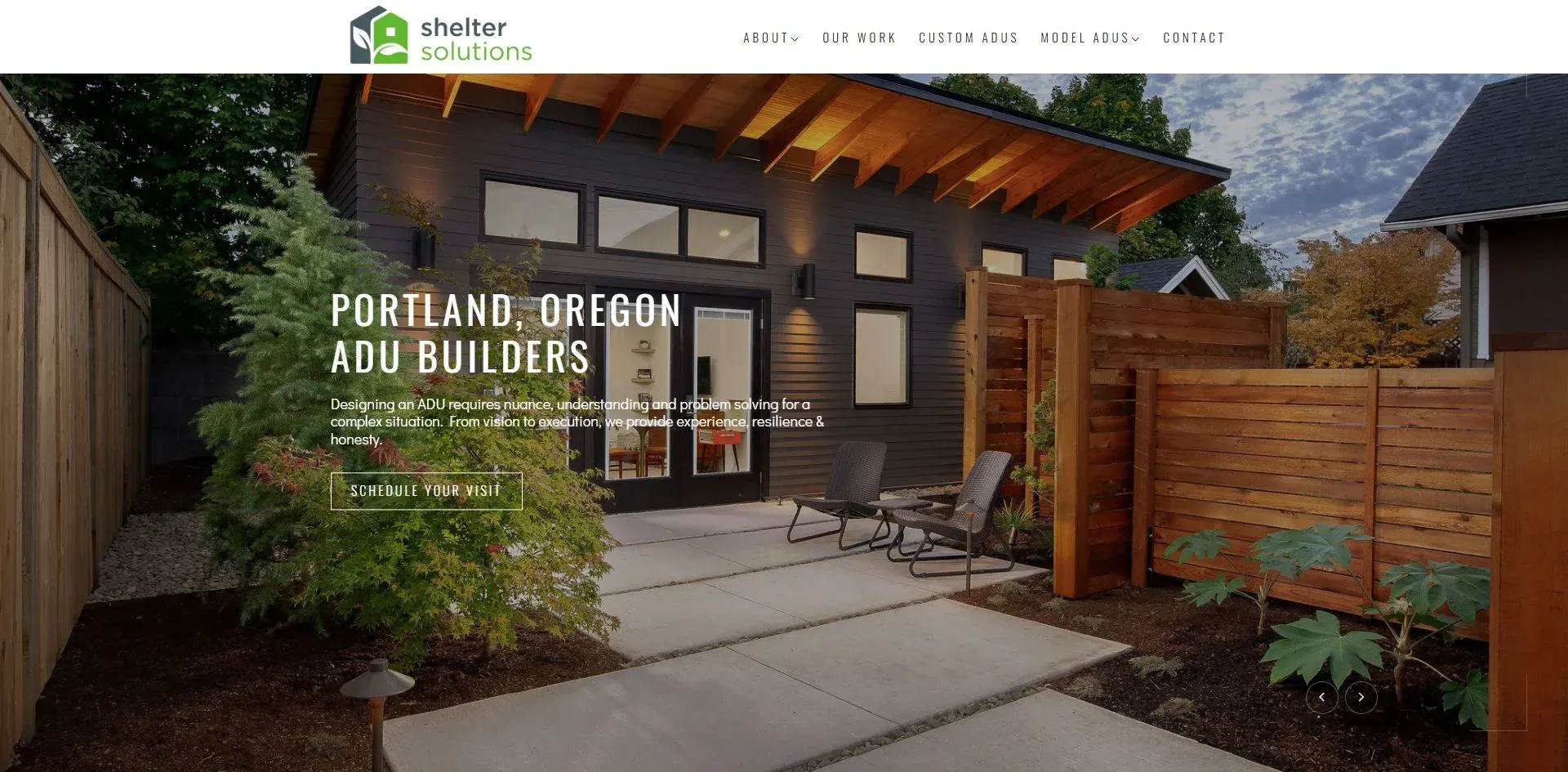
Stone Creek Building and Shelter Solutions are examples of both jobs. You can see the sites below, and the numbers on the results page.
What We Build Around
Three Things We Will Not Compromise On
-
Speed on a Phone
Much of a buyer's early browsing happens on a phone. We hand-code to keep pages light and quick, rather than stack a page builder and plugins.
-
Galleries That Sell
Each finished home gets its own page with real photos, specs, and a clear next step to call or request a quote.
-
Readable by Machines
Clean HTML and structured data so Google and AI tools can pull your projects, services, and areas accurately.
Builder Sites We Built
Two Builder Sites, Side by Side
How a Build Runs
How We Build a Builder Website
-
Plan the Pages
We map your build types, your towns, and your best projects into a page plan before any design starts.
-
Gather the Photography
We work with what you have and give you a shot list for gaps, so every gallery has strong images.
-
Write the Copy
Copywriting is included: service pages, town pages, and project write-ups in plain language.
-
Hand-Code the Site
Design and code by one engineer, tuned for speed, accessibility, and structured data.
-
Launch With the Foundations
Redirects, structured data, internal links, and analytics in place on day one.
What Is on the Site
The Pages a Builder Site Needs
-
Service Pages
One for each build type: custom, semi-custom, spec, ADU, addition, remodel.
-
Project Pages
One per finished home, with photos, specs, town, and date.
-
Town Pages
One for each place you build, written from that market's facts.
-
Cost and Process Pages
Plain answers to the questions buyers ask early.
Questions
Questions Builders Ask About Websites
Three reasons. Speed: a theme with a dozen plugins is slow on a phone, and buyers research on phones. Structured data: hand-coded records stay correct when a theme updates. Readability: pre-built HTML is easier for search engines and AI tools to read than pages assembled by scripts.
Stone Creek Building's site ran on WordPress for years, and that was a fair choice for 2015. For new builds we hand-code.
Then we leave it alone. If it loads quickly on a phone, has clean structured data, and converts visitors, we run SEO and ads on top of it.
If it is slow, plugin-heavy, or hard to read, we rebuild it. The free report tells you which before you commit to anything.
It depends on the size of your catalog. A builder with twenty finished projects to show takes longer than one with a smaller portfolio, and ADU specialty sites tend to be on the shorter end. We work from the photography you have and give you a shot list for gaps.
Copywriting is included, and the SEO foundations ship at launch.
Hand-coded builder sites start at $3,000, depending on the size of your catalog, the number of town pages, and the photography and copy involved.
You can pay upfront on a six-month term, or spread the build over twelve months as part of the monthly program on a twelve-month term. See the cost guide.
Galleries are the most-visited pages on a builder's site, so we build each one as its own page: large photos, a spec list, the town, and the completion date. Each is a ranking page for searches like new construction in that neighborhood.
It should not. Builder sites often share one stock hero image and a generic services list. We design around your photography and your style of work, with restrained typography and real proof of quality. Stone Creek's portfolio site is a working example.
Yes. Each town you build in gets its own page, written for that market from its own facts. Google treats copies with the name swapped as thin, and so do buyers. See how our location pages read.
Yes. The site, the domain, and the content are yours.
See What Your Current Site Is Costing You
Send your website. The free report covers speed, structure, and how buyers see your work.